
Master's thesis defences, industry engagement and an emotional graduation ceremony celebrated the achievements of a new generation of Erasmus Mundus robotics professionals at the University of Girona.
Between 29 June and 1 July 2026, the University of Girona celebrated one of the most important milestones of the academic year for the Erasmus Mundus Master in Intelligent Field Robotic Systems (IFRoS). Over three memorable days, Master's thesis defences, the annual IFRoS & MIRS Day, and the Graduation Ceremony marked the end of an extraordinary journey for the IFRoS Class of 2024–2026.
When these students first arrived in Girona almost two years ago, they came from different countries, cultures and academic backgrounds. Today, they graduate not only with an internationally recognised Master's degree, but also with new technical expertise, lifelong friendships and an international network that will accompany them throughout their professional careers.
The final step of an extraordinary journey
The celebrations began on 29 and 30 June with the Master's thesis defences, the culmination of nearly two years of intensive learning, research and innovation.
From autonomous navigation and underwater robotics to artificial intelligence, computer vision, perception and manipulation, the projects reflected the diversity of challenges tackled throughout the programme. Behind every presentation were months of experimentation, teamwork, setbacks and breakthroughs that demonstrated not only scientific excellence but also resilience, creativity and determination.
For many students, the thesis represented much more than a final academic requirement—it was the moment they realised how much they had grown since joining the programme.
One community, two Master's programmes
The celebrations continued on 1 July with the annual IFRoS & MIRS Day, a unique event that brings together two Master's programmes sharing the same roots at the University of Girona. During the first year of the Erasmus Mundus programme, IFRoS students study alongside those enrolled in the University's Master in Intelligent Robotic Systems (MIRS), sharing lectures, laboratories, projects and daily university life.
Although the two cohorts follow different paths during the third semester, IFRoS & MIRS Day provides an opportunity to reunite, celebrate their achievements and reflect on the community they built together. More than an end-of-year event, it has become a celebration of collaboration, friendship and the shared passion for robotics that unites both programmes.
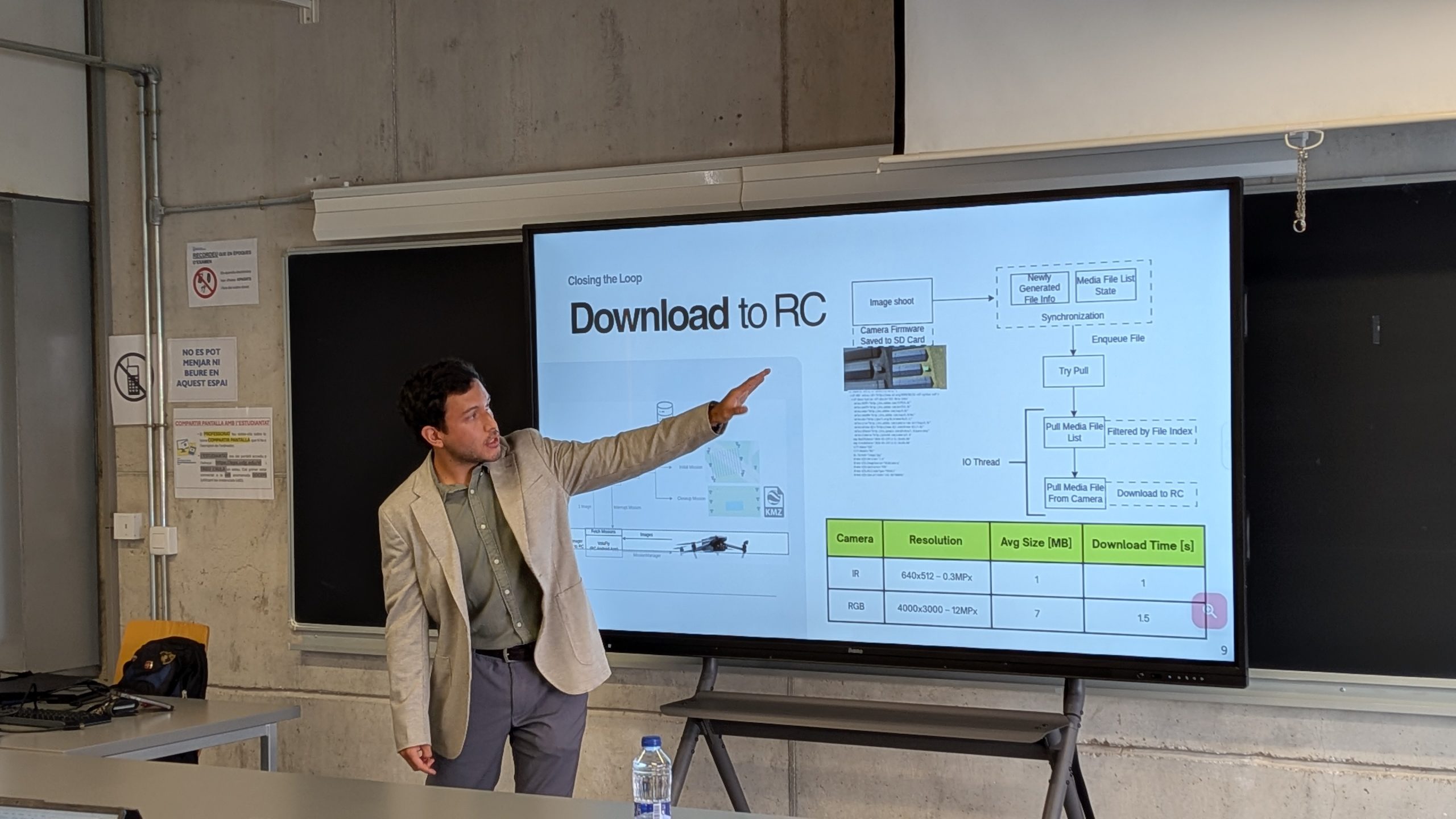
The day featured selected Master's thesis presentations by Yunying Chen and Solomon Chibuzo Nwafor, who represented their classmates with engaging and inspiring talks. Their presentations offered an excellent overview of the quality, diversity and impact of the research carried out throughout the programmes. We would like to warmly thank both students for sharing their work with such enthusiasm and professionalism.
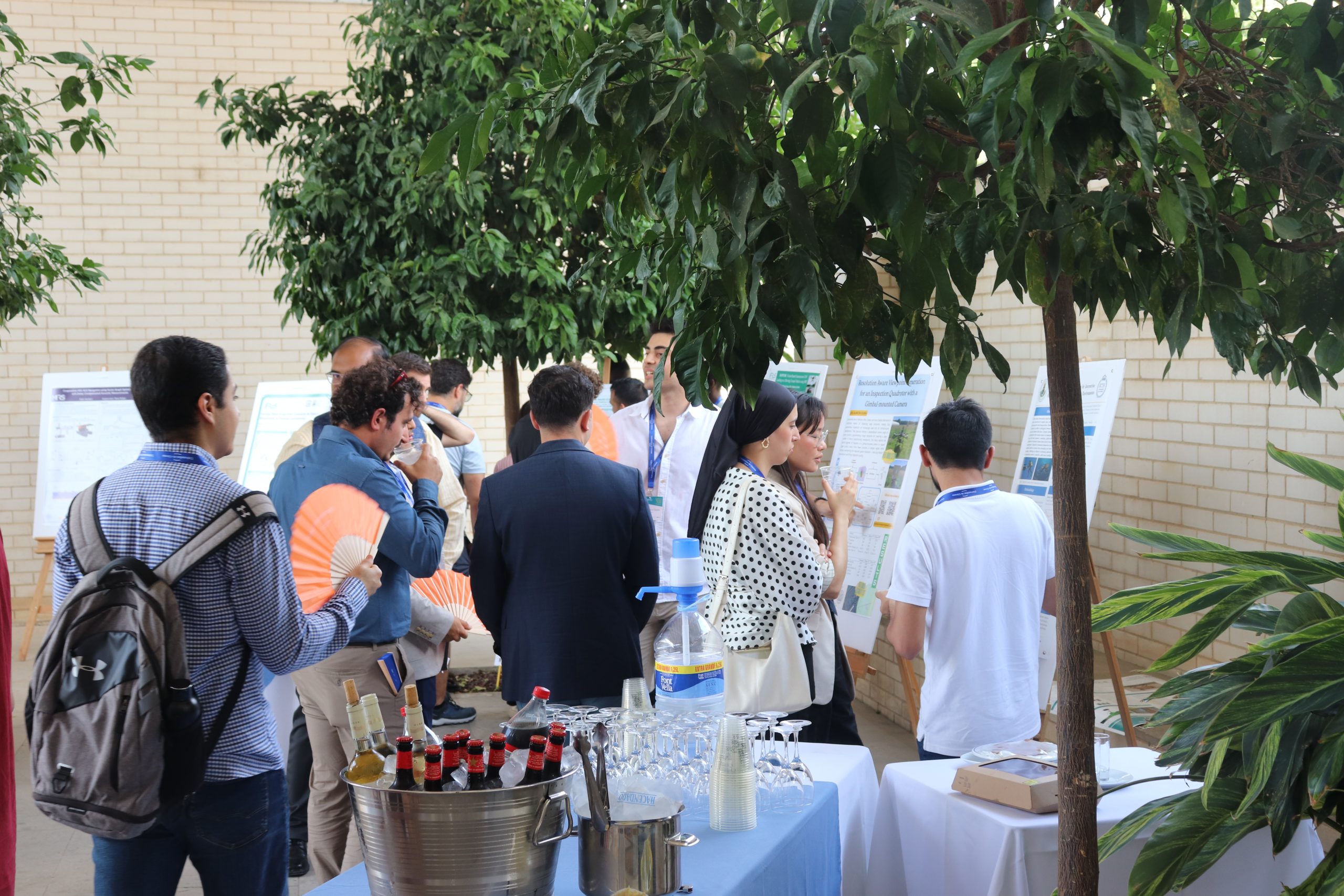
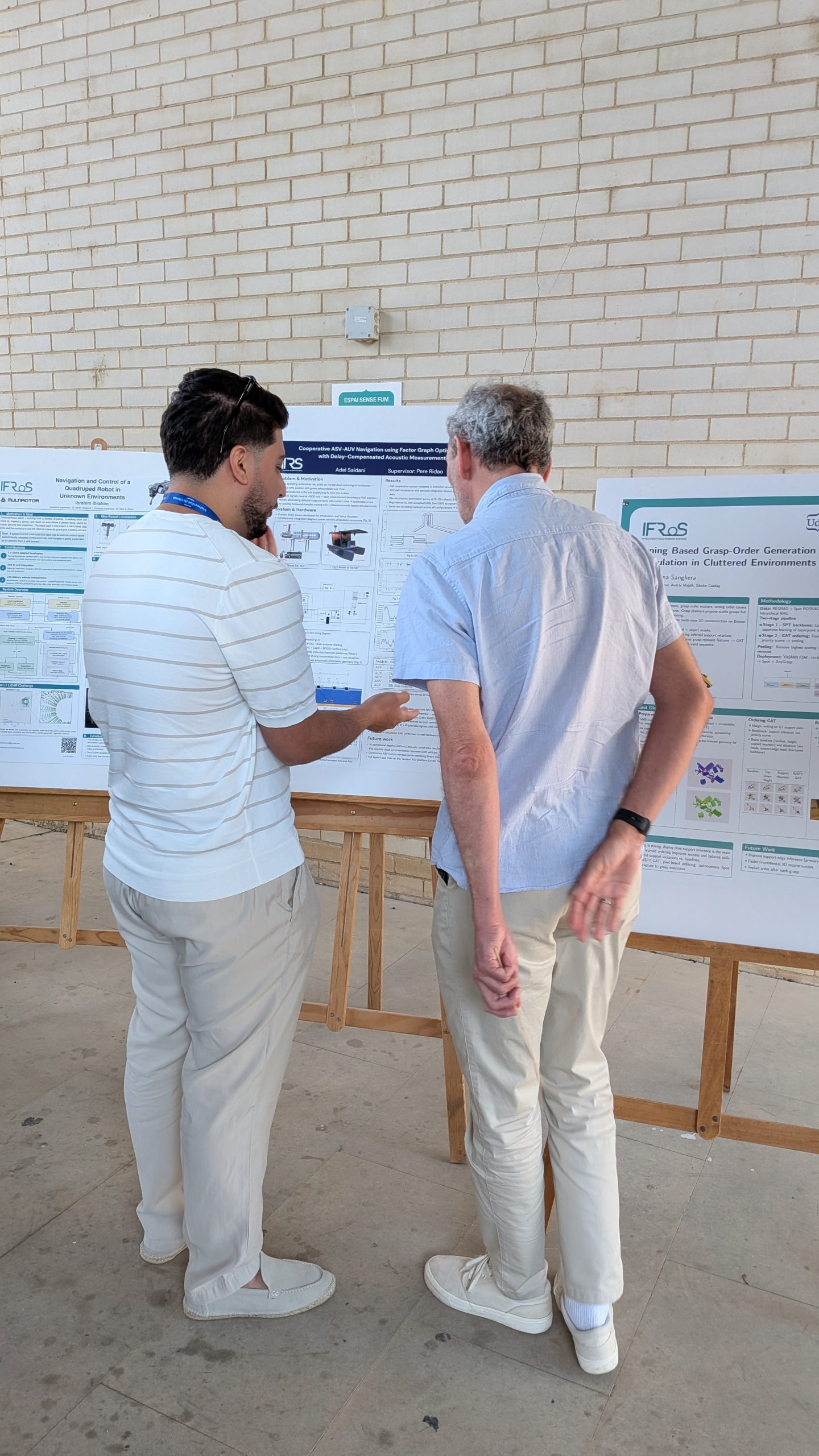
The poster session further highlighted the breadth of research developed by the graduating cohort, creating opportunities for discussion between students, professors, researchers, alumni and guests. Beyond showcasing the graduates' work, the session also became an inspiring learning experience for the IFRoS and MIRS students. For many students, the poster session felt like attending their first scientific conference. It offered the opportunity to engage directly with researchers, exchange ideas and gain a glimpse of the kind of research they will soon be presenting themselves.It was an opportunity to look ahead and imagine their own journey through the programme.
Building bridges between academia and industry
One of the defining features of IFRoS & MIRS Day is its strong connection with industry and applied research.
Representatives from Avyonx, CoE MARBLE, EURECAT and Euroknows shared their experience at the forefront of robotics, autonomous systems and technological innovation, offering valuable insights into current challenges, European research initiatives and career opportunities. These sessions reinforced one of the core principles of the IFRoS programme: preparing graduates who are ready to contribute not only to academic research but also to the development of real-world robotic solutions with societal impact.
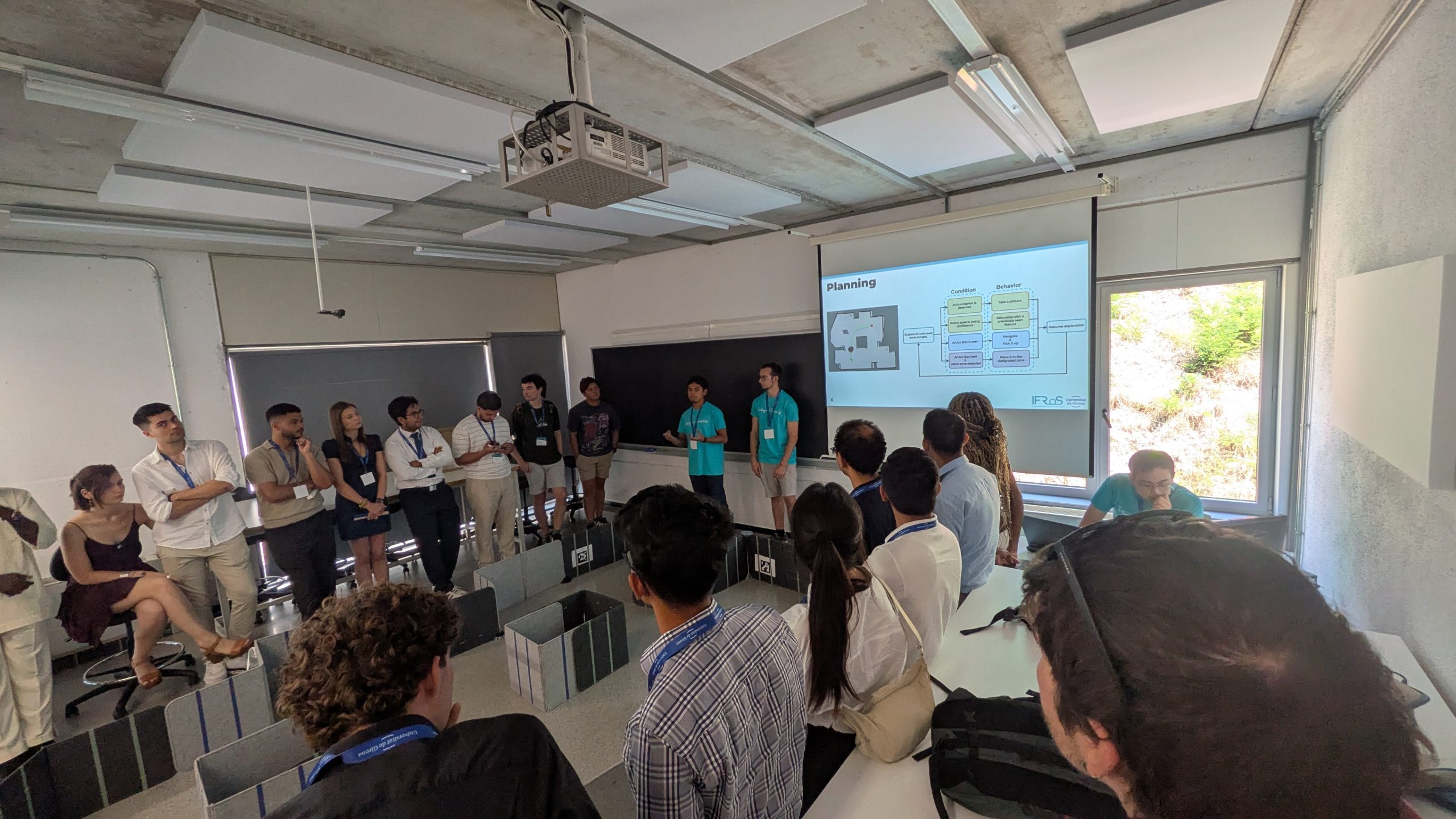
A live TurtleBot demonstration, carried out by first-year IFRoS students Max Puig Sariñena, Vasutorn Siriyakorn and David Adrian Villanueva Guzmán, perfectly illustrated this philosophy. Throughout the programme, students learn robotics by designing, programming, testing and continuously improving robotic systems, connecting theoretical knowledge with practical engineering challenges. Their demonstration highlighted how hands-on learning begins from the very first year of the programme.
More than robotics
While technical excellence is at the heart of IFRoS, the Graduation Ceremony reminded everyone that the programme is ultimately about people.
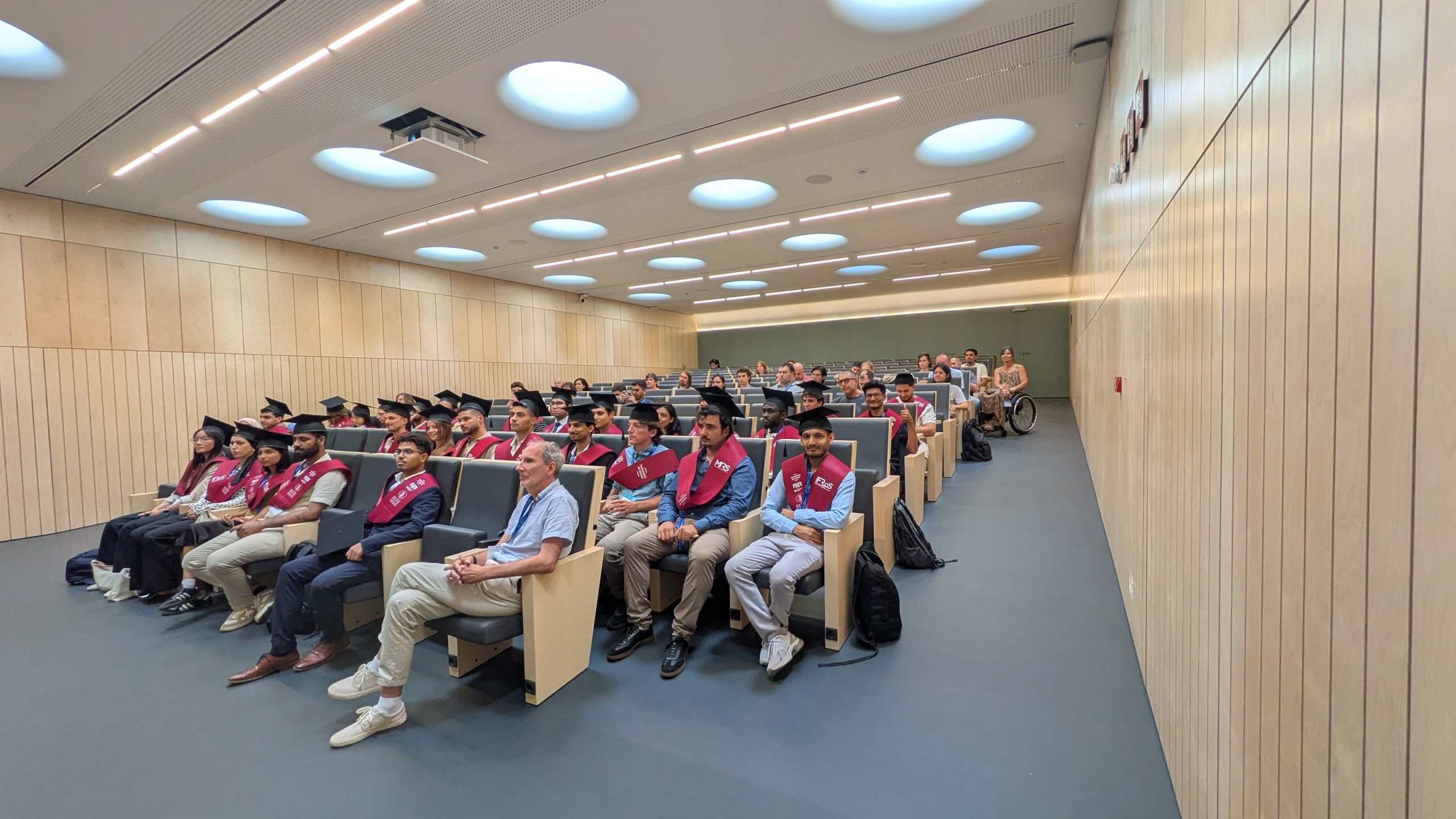
Throughout the ceremony, students reflected on the friendships they had built, the challenges they had overcome and the extraordinary experience of living and studying across Europe together. Many recalled arriving in Girona without knowing anyone and leaving with friendships that now span the globe. Beyond lectures and laboratories, they remembered late-night coding sessions, shared meals, group projects and the countless moments that transformed classmates into lifelong friends.
"IFRoS challenged us every day, but it also gave us something we never expected: a community that feels like home."
The close relationship between students and professors was equally evident. Formal protocol quickly gave way to genuine warmth as graduates embraced their supervisors and thanked them not only for their academic guidance but also for the encouragement and support they had provided throughout the programme. Families and friends looked on with pride, celebrating not only academic success but also the personal journeys behind every diploma.
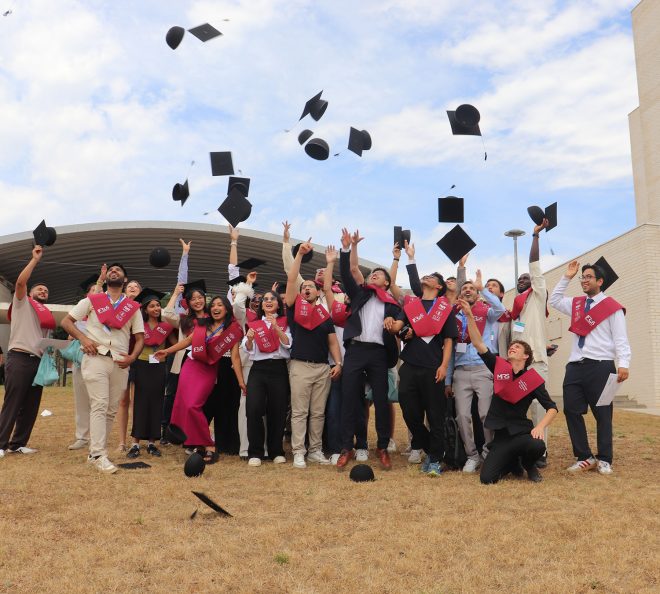
The ceremony concluded with one of the most memorable moments of the day. As graduation caps filled the air and students gathered beneath a sea of flags representing countries from around the world, the celebration perfectly captured the spirit of the Erasmus Mundus experience: diverse cultures brought together by a common passion, united by shared challenges and lasting friendships.
Looking towards the future
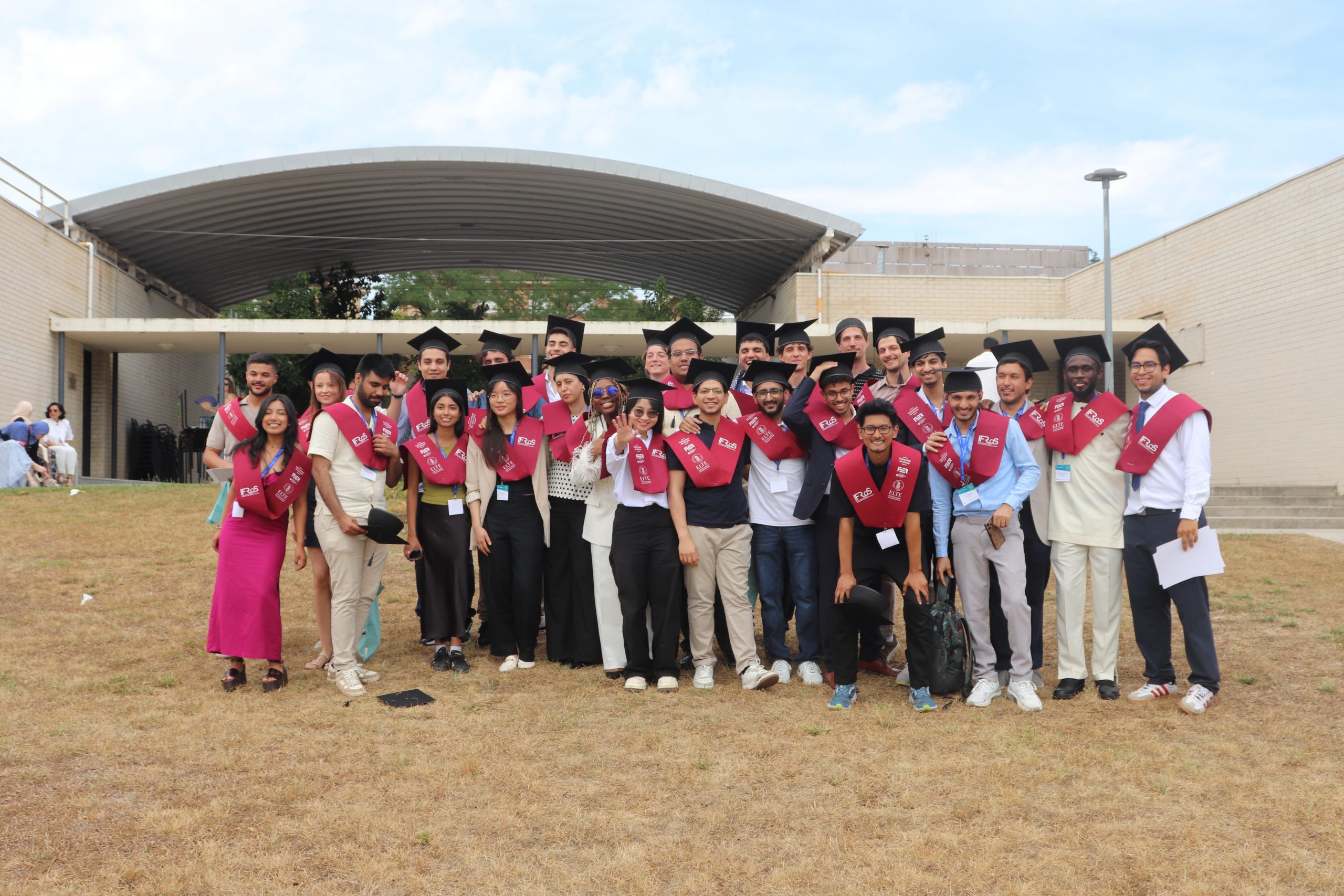
The members of the IFRoS Class of 2024–2026 now begin new chapters around the world. Some will pursue doctoral research, while others will join robotics companies, research centres and technology organisations working on autonomous systems, artificial intelligence and field robotics.
"Two years ago we came here to become better engineers. Today we leave not only as robotics professionals, but also as more confident, resilient and open-minded people."
Although their professional paths will differ, they leave with something they all share: the experience of belonging to an international community that challenged them, inspired them and prepared them to make a meaningful contribution to the future of robotics.
Congratulations to the IFRoS Class of 2024–2026 and to all the graduating MIRS students.
The classrooms and laboratories and may feel a little quieter today, but the next generation of robotics innovation has already begun.